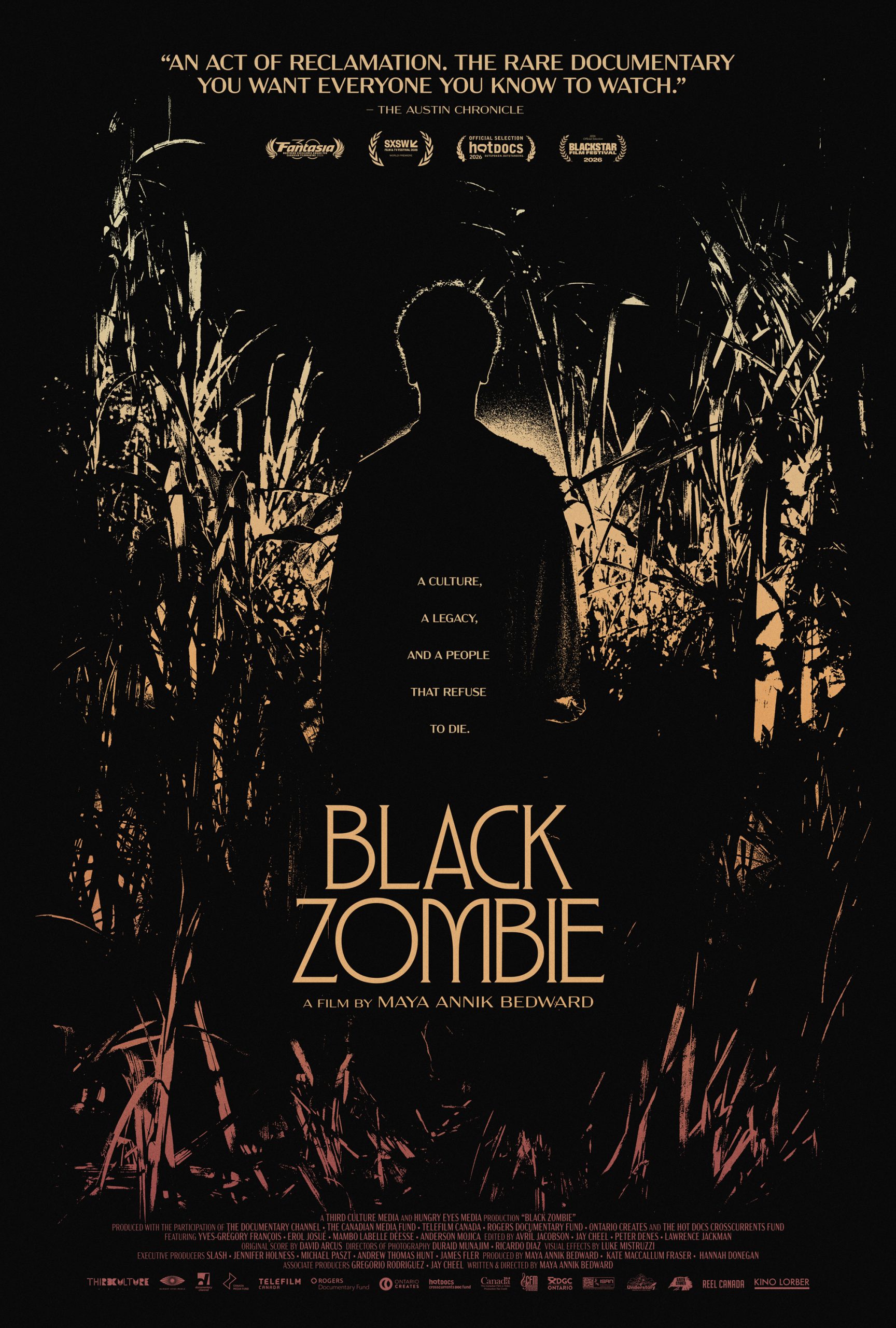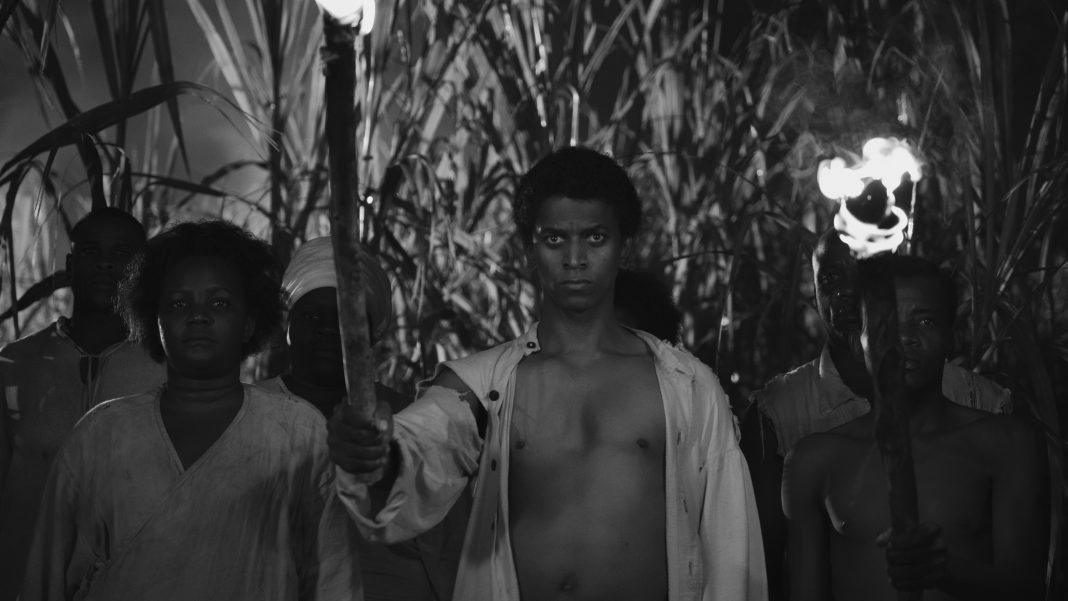
Maya Annik Bedward’s “Black Zombie” is a shotgun blast to our cultural notions of what the undead mean and, most importantly, what is actually so terrifying about them. By investigating not only the origins but the bastardizations of what a “zombie” actually is, Bedward’s film digs far deeper than any flesh eater could into the belly of their victim – in this case, the false history Americans were taught through the movies – casting a narrative net that rips into the not-so-distant atrocities of European colonialism, historical revisionism, and the lingering sins of pulp fiction becoming carbon-dated as verifiable fact. The thing about the truth; about Vodou, about zombies, is that it never fully died despite the best efforts of colonizers and profiteers; it simply reinvented itself, reforming and warping through the songs and traditions that began hundreds of years ago amid the righteous revolution of the colonized and kept alive in the beating hearts of those who remember and believe.
“I was initially inspired by the connection of the zombie to Haitian Vodou,” said Bedward. “As someone who’s from the Caribbean diaspora, I think a lot of our history, our culture, and traditions that predate colonialism are really preserved in these religions. And there’s a lot you can learn about your ancestors and where you come from if you learn more about them.”
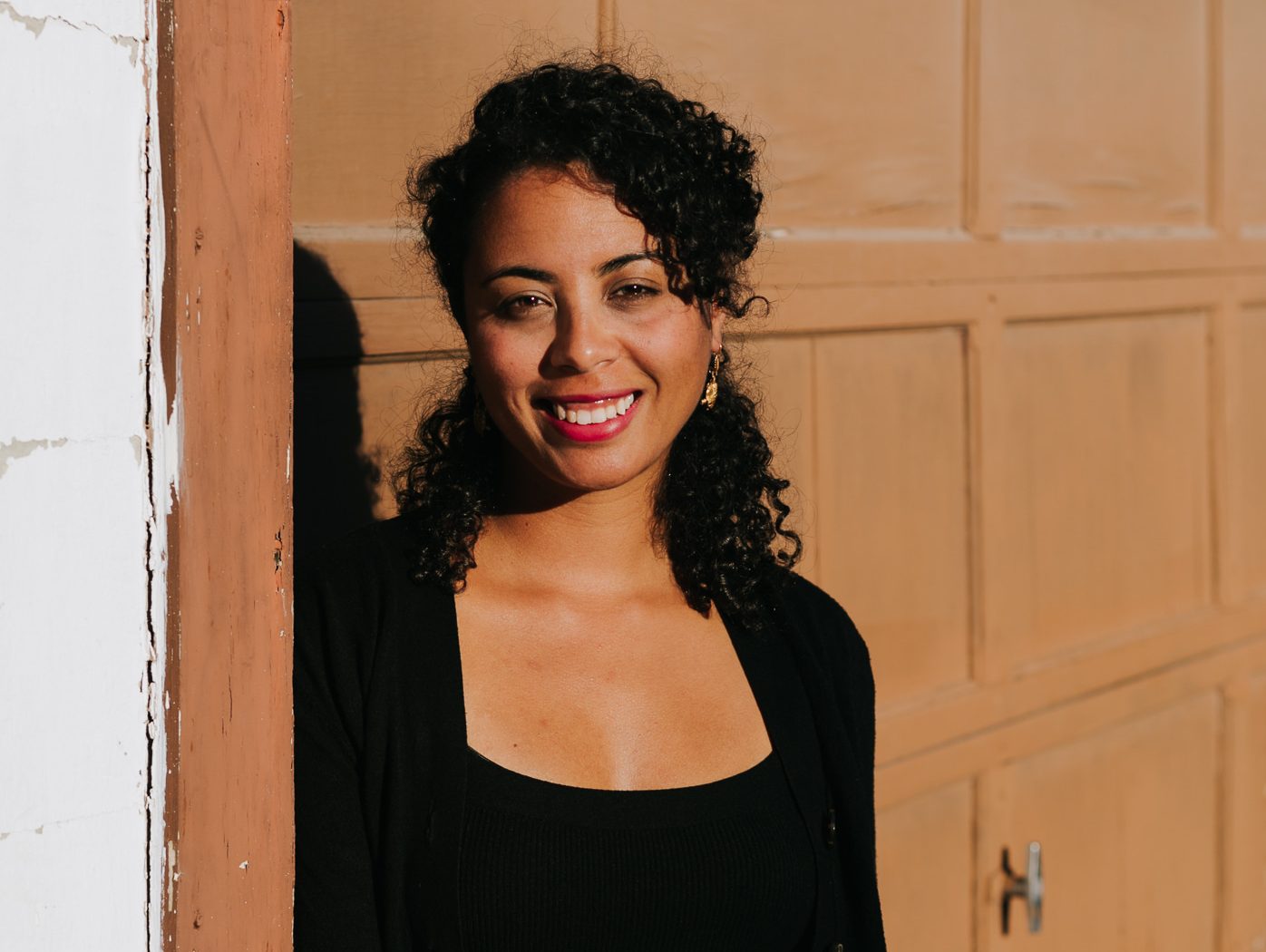
Voodoo, or “Vodou,” despite what ignorant American authors may have written in the early twentieth century, is a vibrant, life-affirming belief system that is widely celebrated today throughout the Caribbean where the origins of the “zombie” myth were first uncovered. The rituals are majestic, artistic, steeped in tradition and dance; beholden to community and a respect, even familiarity, with the dead. Bringing her camera to Haiti, Toronto and New Orleans over the course of 10 years, Bedward was able to do far more than capture the stories of these practitioners; she was able to collaborate with them, providing ownership not only of their own narratives but of the way that the wider world would perceive Vodou, a reframing that is centuries overdue and a responsibility that the filmmakers did not take lightly.
“From early on, I always knew I wanted to kind of interrogate my place in telling this story, especially because while I’m Afro-Caribbean, I’m not Haitian, and also I don’t practice voodoo, which I think is another really important point,” said Bedward. “I spent a lot of time just having long conversations about my intention around the film and what it meant to me in terms of how I wanted to celebrate Vodou and the Haitian Revolution. I kind of see the film as a thank you to Haiti for being one of the biggest contributors to the movement of Black liberation. I worked closely with the Haitian crew throughout the making of the film. They were also an advisory committee, the voodoo practitioners, to see different versions of the film, so they could give me notes and make sure the representation was accurate.”
We all think we know what zombies are; they’ve been ubiquitous in horror circles since George Romero unleashed his flesh-eaters on an unsuspecting farmhouse in 1968. But Romero did not invent the zombie, nor was he the first man to put them on screen. That distinction goes to Victor Halperin in “White Zombie,” a Bela Lugosi-starring picture about a madman in Haiti who has found a way to create the “living dead” from the island’s almost exclusively black population through the manipulation of “voodoo,” a religious practice that had been bastardized by the writings of the boorish and overtly racist “adventurer” William Seabrook. In its original form, zombies were little more than a manifestation of white fear; a fear born from the earliest colonial days when the enslaved populations of Haiti well outnumbered their oppressors. For the European colonizers, there would be no escape if the men and women under their boot heels decided to unite as one, to find community and common cause to rise and fight. So they did what all oppressors and genociders do: they stole their identity and religion; they made these people feel less than human, subhuman, zombified. They are not the villains, but the victims. Even today, Vodou is practiced in secret in many corners of the world; the lingering radiation sickness of colonization that attempted to cut the heart out of an entire people. Thankfully, there are those reviving that heart, and “Black Zombie” is a celebration of their efforts.
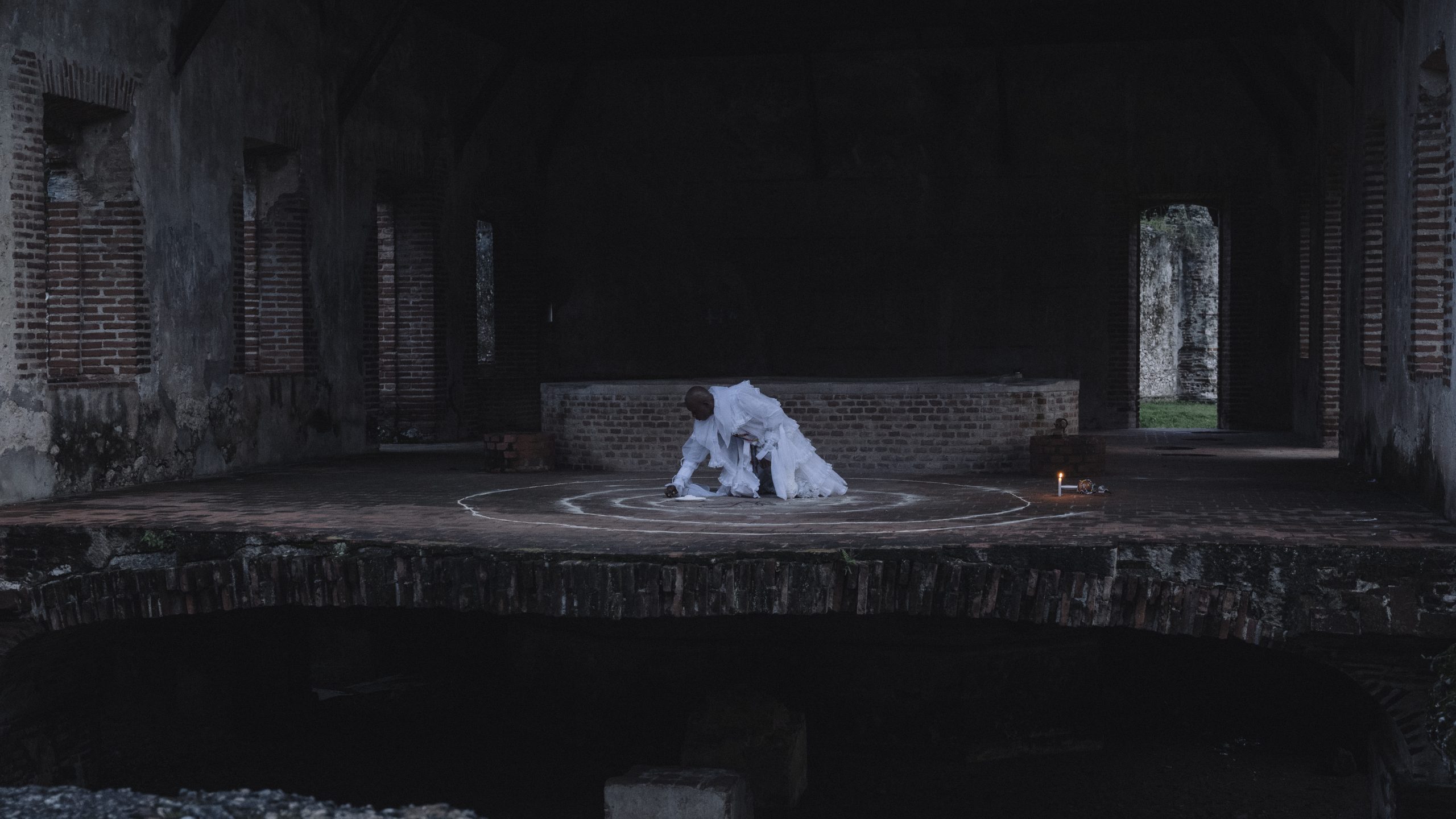
“Black Zombie” is victorious and essential storytelling, reclaiming the power of what “zombies” mean beyond the false bill of goods sold to us by those who try to warp history to their own enriching and stifling ends. Here, Bedward is resurrecting those whose story was snatched from them, in effect instilling life in the cold souls of the downtrodden and the dead. “Black Zombie” is not a dissection of decaying tropes and flesh but an exhumation of spirit, of religion, of a people who history and fiction have trampled upon for far too long. It is telling, then, that one of the places that she turns her lens on in this analysis of how history and fantasy cross-pollinate is New Orleans, where belittling and commodifying Vodou beliefs for the adoration of glaze-eyed tourists is a cottage industry. Still, by telling the story of local filmmaker Zandashé Brown’s reclamation of Vodou as part of her heritage, Bedward seeks to reconcile these contradictory instincts of culture and contamination into a cohesive, and enriching, whole.
“New Orleans has become the place of party and to do voodoo haunted tours with Marie Laveau, but in terms of Vodou, there’s a huge Haitian community there,” said Bedward. “I think Zandasha is so interesting. Although she wouldn’t say she’s a Vodou practitioner, a lot of her practice connected to Vodou is about ancestral veneration, healing the spirits of your ancestors, and connecting with your ancestors. That’s like a huge part of a lot of these African traditional religions across the diaspora.”
The power of “Black Zombie” is in its weaving of history and artifice, in engaging an audience eager to learn about the cinematic history of the flesh-eating shambles that populate haunted houses and cinema screens, and instead offering them something more: an invitation to reconsider that perhaps the true horror of the zombie is not in being chased by one but being forced to be one. By speaking with experts, historians, and even the perpetuators of the worst stereotypes of zombies and Vodou, Bedward has been able to provide a holistic and clear vision, resetting the ignorant sins of the past and giving voice to the peoples and cultures, the living and the dead, silenced for far too long.
Wake the dead and hear their story.
You’ll be glad you did.
“Black Zombie” opens in New Orleans on Sept. 14 at the New Orleans Film Society, with Director Maya Annik Bedward in attendance for Q&A, and opens at the Prytania Theatres at Canal Place on Sept. 18.
Get your tickets HERE.